



Have you noticed a dusty smell, or a light haze in the air when you first turned your heater on this winter? You’re not imagining things. These symptoms are real. Ducted heating systems are known for stirring up the dust that has settled in the ducts over summer and pumping it straight into your home.
It is a common issue with the ducted heating found in Melbourne homes. It is easy to forget about, until winter arrives, you turn your heating on and allergies flare up in your home, or your eyes start to itch. In this article, the team at Templestowe Heating & Cooling will break down what’s actually causing that dust, what it means for your indoor air quality and the easy steps you can take to breathe easier this winter.
Why Dust Blows Out When You First Turn on the Heater
During the summer months when you’re not using your heater and it sits idle, dust and irritants, pet dander or other airborne particles settle inside your heating ducts and on components like the heat exchanger or electric heat strips.
When you first turn on your heater, the metal components heat up rapidly, cooking these particles and vaporising them, burning off the accumulated dust. Then the hot air generated by your heater blows it all into your home. Typically, this puff of dust and the burnt smell associated with it should clear in around fifteen minutes.

Common Causes of Poor Indoor Air Quality From Heating Systems
There are a few common causes that can give you poor air quality from your home heating.
- > Combustion by-products. Unflued gas heaters, wood burning fires and old furnaces can release toxic gases, such as carbon monoxide (CO), nitrogen dioxide (NO₂) and smoke if they’re not properly vented or they’re faulty.
- > Dirty air filter Clogged filters, or filters left over from last winter accumulate dust and pollen over the summer months and trap them. WHen the heater turns on, all that grit gets circulated through the house.
- > Mould and mildew. Heating systems with inadequate insulation or ductwork can have condensation build up, which breeds mould and bacteria. This, again, then gets blown into your home when the heater is turned on.
- > Lack of ventilation. Some homes are very well sealed to prevent any heat from escaping during winter. This also traps any pollutants such as dust, dead skin and pet dander, which can settle into the ducting of your heater.
- > Deteriorating materials. Ageing furnaces or ductwork may have materials that degrade over time, and get dislodged and blow through the home.
The Health Impact of Breathing in Dust This Winter
There are a few health issues to be aware of from breathing in the first dust of a winter heater. This burst of grit in the air can trigger allergies or asthma attacks, or just create general breathing discomfort.
- > Asthma flare-ups. The initial, dust-laden burst of hot air from your heater can be quite terrible for those with breathing issues such as asthma. An article published by IQAir Australia shows that there is a spike in hospital admissions for severe asthma during the first week of winter as a result of turning on the heater.
- > Disintegrated dust mite allergen. The dry air of indoor heating does kill off live dust mites. However, their accumulated droppings and dead bodies do disintegrate into particles. This is an allergy-rich mixture that can cause chronic coughing, red and teary eyes and even extreme morning fatigue.
- > Compound viral vulnerability. Breathing in fine particulate matter can irritate the delicate mucosal lining of your lungs and airways. This localised airway irritation can compromise your respiratory system’s defence against viral infections, and can make you more easily susceptible to influenza, COVID-19 and RSV.
Why Indoor Air Quality Worsens in Winter
There are a few reasons why inside winter air is unhealthier for you. The biggest reason is people are trying to save money on their heating bills and so the doors and windows are shut and sealed to prevent cold air from getting in. This is bad for two reasons:
- Fresh, outside air can’t circulate through your home to remove the stale air.
- Your heating system is forced to circulate the same air repeatedly.
If there are any nasties in the heated air blowing around your home, they often get recycled through the heater and back out into your home again, many times. You could be breathing the same stale air for a long time.
Heaters dry out the air and reduce the indoor humidity. WHen it does this, the moisture content of particles, such as dead skin cells, dirt and pet dander, also dry out. This makes them lighter and more likely to hang in the air longer, where you’re walking through and breathing them in.
How to Improve Your Indoor Air Quality This Winter
There are some simple steps you can take to help improve the air quality inside your home this winter.
You can open a window for a while. This lets fresh air in, and will have the burnt-smelling air out, taking with it many of the pollutants discussed already.
You can check your air filter and replace it if you think it is too clogged with dust and irritants. Check the brand of air filter required and buy a new version from your local air conditioning supply store, such as Templestowe Heating & Cooling! They are pretty straightforward to install, but ask our expert team for any assistance.
You can vacuum your vents with the brush attachment. No hard attachments as you don’t want to damage the vents. Cleaning up any loose dust at the vents before turning your heater on can help a great deal in lowering irritants and the effects, such as sneezing and asthma.
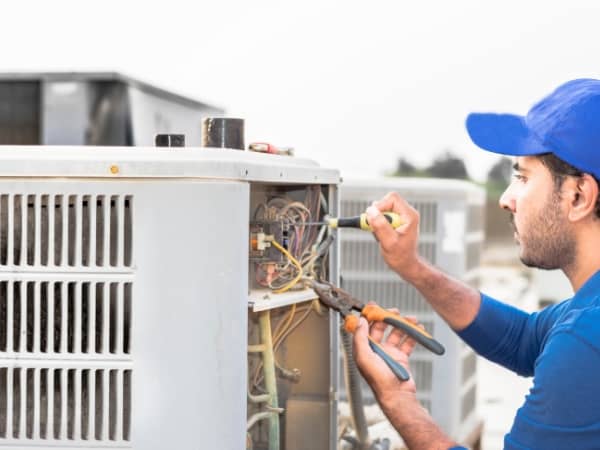
Ultimately, you can book a professional inspection and cleaning of your HVAC. This ensures that all components are checked and cleaned, including the heat exchanger, which can prevent fire hazards and significantly improve your indoor air quality.
Why Professional Servicing Makes the Difference
A clean-running heater isn’t just more pleasant to use; it can make a real difference to the air quality in your home and help lower your energy bills. At Templestowe Heating & Cooling, we know that regular servicing is one of the simplest ways our customers protect their air quality and prolong their heating system’s lifespan.
Professional servicing from our team will give you”
- > Improved safety. For gas heating, our technicians check for invisible, odourless carbon monoxide leaks and fire risks from faulty wiring. We check to see that your system meets current safety standards.
- > Lower running costs. A system that is clogged with dirt and dust has to work harder to warm your home. By cleaning your filters and ducts, we can lift energy efficiency and drop your home heating bills.
- > Cleaner air. A regular service of your heating removes built-up dust, mould and bacteria from inside the unit. This stops it being pushed out into your home whenever you turn the heater on.
- > Warranty protection. Many of the premium brands require documented proof you have had your system maintained by a professional. This way, if a component fails, the manufacturer will honour the warranty.
If your ducted heating in Melbourne hasn’t been serviced this season, or you’re after a trusted team for heating and cooling in Blackburn, Donvale, or surrounding suburbs, it’s worth getting it checked before the cold sets in properly.
Contact the team at Templestowe Heating & Cooling. We’ve been helping the residents in the northern and eastern suburbs of Melbourne for over 60 years, and we can help you too.
 Mitsubishi Electric Diamond dealers